


Quick Answer: What’s the Real Difference?
If you want the simplest explanation, here it is:
- A general acupuncturist treats everything from back pain to stress to digestion.
- A fertility acupuncturist focuses specifically on your reproductive system, hormones, and fertility journey—often working alongside your OB-GYN, midwife, or fertility clinic.
A general acupuncturist may help you relax and feel better overall.
A fertility acupuncturist is thinking in terms of egg quality, sperm quality, ovulation, implantation, pregnancy, and live birth every single day.
If you’re trying to conceive—naturally or with IVF—working with a fertility-focused clinic gives you a deeper level of strategy, support, and precision than most general practices can offer. At Aphrodite Fertility Acupuncture in San Diego, my entire team and I live and breathe reproductive medicine and integrative fertility care.
When You Need a Fertility Specialist (and When You Don’t)
You probably do want a fertility acupuncturist if:
- You’re actively trying to conceive (TTC)
- You have PCOS, endometriosis, DOR, low AMH, high FSH, or “unexplained infertility”
- You’re preparing for, in the middle of, or recovering from IVF or IUI
- You’ve experienced recurrent miscarriage or chemical pregnancies
- You’re considering or already doing labor induction acupuncture in San Diego–style support near the end of pregnancy
You might be fine with a general acupuncturist if:
- You’re not trying to conceive right now and just want help with stress, sleep, or pain
- You love acupuncture as general wellness care and don’t need specific fertility strategy
Now, let me share why I chose to dedicate my entire practice to fertility—and why that matters for you.
Who I Am and Why I Focus on Fertility
My Journey into Reproductive Wellness Fertility Acupuncture
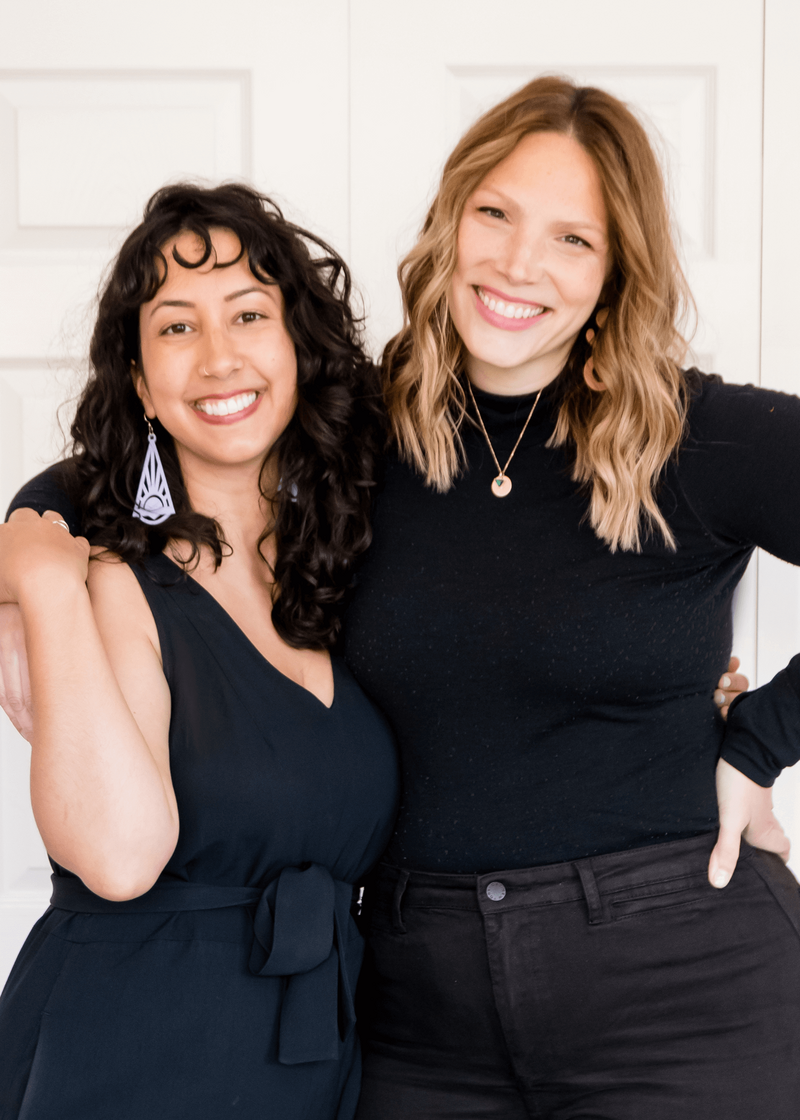
I’m Emily Marson, founder and Clinic Director of Aphrodite Fertility Acupuncture here in San Diego. My work is dedicated to one thing: helping women and couples grow their families using a blend of Chinese medicine and modern reproductive science.
Over the years, I’ve sat with hundreds of patients who walked into my clinic feeling:
- Confused by lab results
- Overwhelmed by IVF protocols
- Heartbroken after losses
- Frustrated by being told “everything looks normal” when they knew something wasn’t
My training in acupuncture gave me a solid foundation—but my patients’ stories pushed me to go much deeper into fertility, IVF acupuncture, hormones, and reproductive immunology.
What We Actually Do All Day at Our San Diego Clinic
In our 5th Avenue clinic in San Diego, my team and I:
- Map your menstrual cycle, ovulation patterns, and fertile window
- Review your fertility history, prior treatments, and current diagnosis
- Collaborate with local fertility clinics around IVF and IUI timelines
- Use acupuncture, herbs, supplements, and lifestyle shifts to support your body step by step
- Offer targeted care like San Diego acupuncture fertility support and labor acupuncture near me style induction sessions in late pregnancy
In other words: we don’t just “add needles.”We build a strategy around your reproductive goals.

What a General Acupuncturist Is Trained to Do
Broad Training and a “Treat Everything” Approach
A general acupuncturist receives a comprehensive education in Chinese medicine, covering:
- Pain (neck, back, joints)
- Digestive issues
- Stress, anxiety, and mood
- Sleep and fatigue
- General women’s health and wellness
This is incredibly valuable. General acupuncturists can absolutely help you feel calmer, improve circulation, and support your overall health.
Common Reasons People See a General Acupuncturist
Most people visit a general acupuncturist for:
- Chronic pain or tension
- Insomnia or stress
- Headaches or migraines
- Digestive discomfort
- General wellness and maintenance
If you’re not trying to conceive yet (or ever), and you just want support for these areas, a general acupuncturist can be a wonderful fit.
But when pregnancy, IVF, or recurrent loss enter the conversation, the level of nuance needed increases dramatically.
What Makes a Fertility Acupuncturist Different
Extra Training in Reproductive Medicine and Hormones
Fertility acupuncturists go beyond general training and focus on:
- The endocrine system and how hormones fluctuate through the cycle
- Diagnoses like PCOS, endometriosis, diminished ovarian reserve, low AMH, high FSH
- Male factor concerns, sperm parameters, and DNA fragmentation
- The different phases of the fertility journey: preconception, IVF/IUI cycles, pregnancy, postpartum
In my practice, I spend countless hours reviewing research, talking with reproductive endocrinologists, and teaching other acupuncturists advanced fertility methods. Fertility isn’t just a niche—it’s an entire specialty of its own.
Understanding IVF, IUI, and Lab Work
A big difference between general and fertility acupuncturists is how comfortable they are with the medical side of your care.
On any given day, we might:
- Talk through your AMH, FSH, estradiol, progesterone, testosterone, and thyroid labs
- Review your IVF stim calendar and sync your acupuncture appointments with key milestones
- Support your body after egg retrieval or before a frozen embryo transfer (FET)
- Tailor your acupuncture to the exact day of your cycle or transfer window
This is what sets a fertility acupuncturist apart: we’re not guessing. We’re integrating acupuncture with your medical treatment plan.
Tuning Treatment Plans to the Menstrual Cycle and Sperm Health
In fertility work, timing is everything.
We adjust your acupuncture and herbal support based on:
- Follicular phase (building the lining and supporting follicle growth)
- Ovulation (supporting proper release and hormonal shifts)
- Luteal phase (supporting implantation and progesterone)
- Early pregnancy (supporting blood flow and calming the nervous system)
For male partners, we support sperm parameters with protocols often referred to as reproductive wellness fertility acupuncture, targeting motility, morphology, and count over several months.
How Fertility Acupuncture Supports Natural Conception
Regulating Cycles, Hormones, and Ovulation
Many of my patients come in with irregular or unpredictable cycles. Some have PCOS, some have hypothalamic amenorrhea, and some simply have “wonky” periods.
Through consistent acupuncture and targeted lifestyle recommendations, we work to:
- Regulate cycle length
- Improve ovulation quality and timing
- Reduce PMS, pain, and mid-cycle spotting
This is where our fertility acupuncture care in San Diego can quietly transform your month-to-month experience.
Egg Quality, Uterine Lining, and Blood Flow
Fertility isn’t just about “Can I get pregnant?”—it’s also about the quality of the eggs and the health of the uterine environment.
With regular treatment, we aim to:
- Support healthy blood flow to the ovaries and uterus
- Optimize the uterine lining for implantation
- Improve egg quality over time (especially if you’ve been told you have low ovarian reserve or poor embryo quality)
In Chinese medicine terms, we’re balancing your body’s internal environment so it can better support conception and pregnancy.
Calming the Nervous System in a High-Stress Season
Trying to conceive—especially after losses or failed cycles—is emotionally intense.
One of the most important (but underrated) parts of fertility acupuncture is the way it:
- Calms your nervous system
- Reduces anxiety before blood draws and procedures
- Helps you feel grounded when the process feels out of your control
I’ve watched patients walk into the treatment room tightly wound with fear and walk out with their shoulders dropped, breathing more deeply, and saying, “Okay… I can do this.”
How Fertility Acupuncturists Support IVF and IUI
Stim Phase, Trigger Shots, and Timing Sessions
During IVF, we often use acupuncture to:
- Support blood flow to the ovaries
- Help with medication side effects (bloating, mood swings, sleep issues)
- Calm your nervous system around monitoring appointments
- Prepare your lining and hormones for egg retrieval
We often schedule treatments:
- Right before or after key stim check visits
- Close to retrieval
- Leading into the transfer window
This strategic timing is not something most general acupuncturists are trained in day-to-day.
Transfer Preparation, Implantation Support, and Early Pregnancy
For frozen embryo transfers (FETs), we may:
- Build up your uterine lining in the weeks leading into transfer
- Support circulation and relaxation the day of transfer
- Continue care during the two-week wait to help with anxiety, sleep, and uterine blood flow
This level of coordination is why so many patients look specifically for fertility acupuncturists instead of just “acupuncture near me.”
A Real-Life Style Story: When “General” Wasn’t Enough
One patient (I’ll call her Sarah) came to me after a failed IVF cycle. She had seen a lovely general acupuncturist beforehand who helped her feel calmer—but nobody had talked to her about:
- Her thin uterine lining
- Her autoimmune markers
- Her high FSH and low AMH
- How we might support her egg quality and implantation potential months before the next transfer
Together, we created a plan that combined reproductive wellness, fertility acupuncture, targeted supplements, lab review, and close coordination with her San Diego fertility clinic.
Her next cycle looked completely different—from how she felt emotionally to how her body responded physically.
Why San Diego Patients Benefit from a Local Fertility Specialist
Working Closely with San Diego Fertility Clinics and OBs
Here in San Diego, we’re fortunate to have several excellent fertility and OB-GYN clinics. At Aphrodite, we’ve built strong relationships with many of the local doctors and midwives.
That means:
- We understand the protocols they use
- We know how to time your acupuncture around their schedules
- We can often speak the same “language” when it comes to meds, labs, and timelines
Whether you’re working with a major IVF center or a local midwife, having a fertility-specific acupuncturist in your corner helps everyone pull in the same direction.
Building a Team Around You Instead of Piecing It Together Alone
A big part of what I do is help you build a cohesive care team, instead of:
- One person for acupuncture
- Someone else for labs
- Another person for mindset
- And you trying to glue it all together on your own
Fertility shouldn’t feel like a part-time job. Our goal is to simplify, clarify, and support.
Local Care for Labor Induction and Late Pregnancy Support
Because we also work extensively with pregnancy, we regularly support patients with:
- Labor induction acupuncture treatments when they’re approaching or past their due date
- Breech positioning support
- Late-pregnancy anxiety, sleep disruption, and physical discomfort
Key Signs You’d Be Better Served by a Fertility Acupuncturist
You may want to look specifically for a fertility specialist if:
You’re Actively Trying to Conceive
Especially if:
- It’s been 6–12+ months of trying
- You’re over 35
- You’re dealing with irregular cycles or strong PMS symptoms
You’re Starting or in the Middle of IVF or IUI
Because timing, dosing, and labs matter so much, having an acupuncturist who understands:
- Trigger shots
- Retrieval procedures
- FET protocols
- PGT, embryos, and transfer windows
…can make your support feel more aligned and less random.
You’ve Had Pregnancy Loss or Complex Reproductive Diagnoses
If you’ve experienced:
- Recurrent miscarriage
- Chemical pregnancies
- Endometriosis, adenomyosis, PCOS
- Diminished ovarian reserve or premature ovarian insufficiency
…it’s important to work with someone who has seen many versions of those stories and can support you both clinically and emotionally.
How to Tell if an Acupuncturist Is Truly a Fertility Specialist
Questions to Ask Before You Book
You can simply ask:
- “How much of your practice is focused on fertility and reproductive health?”
- “How often do you work with IVF and IUI patients?”
- “Are you familiar with AMH, FSH, and IVF protocols?”
- “Do you coordinate care with fertility clinics in San Diego?”
Their answers will tell you a lot.
Red Flags to Watch For
Be cautious if:
- They dismiss your diagnosis as “no big deal” without asking deeper questions
- They don’t ask about your labs, cycle tracking, or partner’s health
- They treat fertility exactly the same way they treat general stress or pain
Fertility is complex. You deserve someone who treats it that way—with respect, curiosity, and expertise.

What It Feels Like to Work with a Fertility-Focused Clinic
Longer Conversations, Personalized Plans, and Clear Steps
At Aphrodite Fertility Acupuncture, your first visit isn’t just, “Tell me where it hurts.”
We’ll talk about:
- Your full fertility history
- Past pregnancies, losses, or procedures
- Your labs, imaging, and diagnoses
- Your timeline and emotional bandwidth
Then we create a plan that fits your life, not a generic template.
Emotional Support Alongside Needles and Herbs
I can’t tell you how many times a patient has said, “I didn’t even realize how much I needed to say that out loud.”
Yes, we’re doing acupuncture.
Yes, we’re supporting blood flow, hormones, and implantation.
But we’re also offering a space where:
- Your fears are heard
- Your grief is honored
- Your hope is supported
Fertility isn’t just a physical journey—it’s a deeply emotional one.
A Simple Comparison: General Acupuncturist vs Fertility Acupuncturist
Side-by-Side Breakdown
General Acupuncturist
- Treats a wide range of conditions
- May see a few fertility cases, but it’s not the main focus
- Great for stress, pain, and general wellness
Less likely to coordinate closely with IVF clinics or review detailed fertility labs
Fertility Acupuncturist
- Specializes in reproductive health and fertility
- Sees fertility, IVF, and pregnancy patients all day, every day
- Integrates acupuncture with your medical plan
- Comfortable working with complex cases and advanced reproductive technologies
- Often supports everything from TTC to acupuncture fertility care, to pregnancy, to labor and postpartum
Both have value. The key is matching the practitioner to your specific goals.
How We Support You at Aphrodite Fertility Acupuncture
Conditions We See Every Day in Our San Diego Clinic
At our San Diego studio, my team and I regularly work with:
- Unexplained infertility
- PCOS and irregular cycles
- Endometriosis and adenomyosis
- Diminished ovarian reserve, low AMH, high FSH
- Recurrent pregnancy loss
- Male factor infertility
- IVF, IUI, and FET cycles
- Pregnancy symptoms and complications
- Labor preparation and natural labor induction
We combine modern research with the wisdom of Chinese medicine to support you from preconception to postpartum.
From Trying to Conceive to Labor Support
Many of our patients start with us for acupuncture fertility care and stay through:
- First trimester support
- Second and third trimester symptom relief
- Labor induction acupuncture treatments near their due date
It’s a full arc of care—from “I hope this works” to “I’m holding my baby.”

FAQs: General vs Fertility Acupuncturist
1. Is there a big difference between a general acupuncturist and a fertility acupuncturist?
Yes. A general acupuncturist treats many different conditions, while a fertility acupuncturist focuses specifically on reproductive health, fertility, IVF support, and pregnancy. The training, daily experience, and treatment planning are much more specialized on the fertility side.
2. Can a general acupuncturist still help me if I’m trying to conceive?
They may help with stress, sleep, and general wellness, which indirectly supports fertility. But if you’re dealing with diagnoses like PCOS, endometriosis, diminished ovarian reserve, or IVF, working with a dedicated fertility acupuncturist is usually more effective.
3. How early should I start fertility acupuncture before IVF or trying to conceive?
Ideally, I like to see patients 3–6 months before an IVF cycle or before actively trying to conceive. That gives us time to support egg quality, lining, hormones, and overall health—but even starting closer to your cycle can still be beneficial.
4. Do fertility acupuncturists only treat women?
No. In my clinic, we also support male partners with sperm health, energy, stress, and hormone balance. Fertility is a two-person story, and it helps when both partners feel supported.
5. How do I get started with Aphrodite Fertility Acupuncture in San Diego?
The easiest way is to text us at 858.333.7688 or fill out the contact form on our website. We’ll review your situation, answer your questions, and help you decide if our approach is the right fit for your next step.
Calm, Supported, and Clear on Your Next Step
Choosing between a general acupuncturist and a fertility acupuncturist doesn’t have to be confusing.
If you’re dealing with fertility, IVF, pregnancy loss, or complex reproductive diagnoses, a fertility-focused clinic like ours is often the most aligned and effective choice. If your goals are more general—stress reduction, pain relief, wellness—a general acupuncturist may be perfect.
At Aphrodite Fertility Acupuncture in San Diego, my team and I are here to walk with you through every stage of your fertility journey—from early cycle tracking to IVF, from positive test to birth.
Ready to Take the Next Step?
Calm, Confident, and Ready
Choosing acupuncture for your fertility journey is about more than “trying one more thing.” It’s about giving your body, mind, and hormones the targeted support they need to move toward the family you’ve been dreaming of.
At Aphrodite Fertility Acupuncture in San Diego, we blend scientific insight with warm, attentive care so you feel supported—not rushed, dismissed, or left in the dark—at every step.

Ready to take the next step on your fertility journey with expert support?
Text us at 858.333.7688 or fill out the contact form on our website.
We respond Monday to Friday, 7 AM to 8 PM, and Saturday, 9 AM to 2 PM.



+ show Comments
- Hide Comments
add a comment