


Quick 2025 Snapshot: Fertility Diagnoses in San Diego & How Acupuncture Helps
In 2025, the fertility diagnoses I most often see in my San Diego clinic mirror what we’re seeing in national and California data:
- Ovulation disorders and polycystic ovary syndrome (PCOS)
- Diminished ovarian reserve and age-related subfertility
- Endometriosis and pelvic pain
- Unexplained infertility
- Male factor infertility (sperm count, motility, morphology)
- Recurrent pregnancy loss
- Thyroid, metabolic, and autoimmune issues impacting fertility
Short, fact-based answer: Can acupuncture help with these diagnoses?
Yes—while acupuncture is not a replacement for medical or IVF care, current research and my clinical experience suggest that it can:
- Support ovulation and hormone balance in conditions like PCOS
- Improve blood flow to the ovaries and uterus
- Help regulate the stress response (which strongly impacts fertility hormones)
- Complement IUI and IVF protocols and may modestly improve clinical pregnancy rates in some groups
At Aphrodite Fertility Acupuncture, I focus specifically on acupuncture fertility care in San Diego—creating detailed treatment plans that work alongside your OB-GYN, reproductive endocrinologist, or midwife, not instead of them.
Who I Am and Why I’m Sharing This
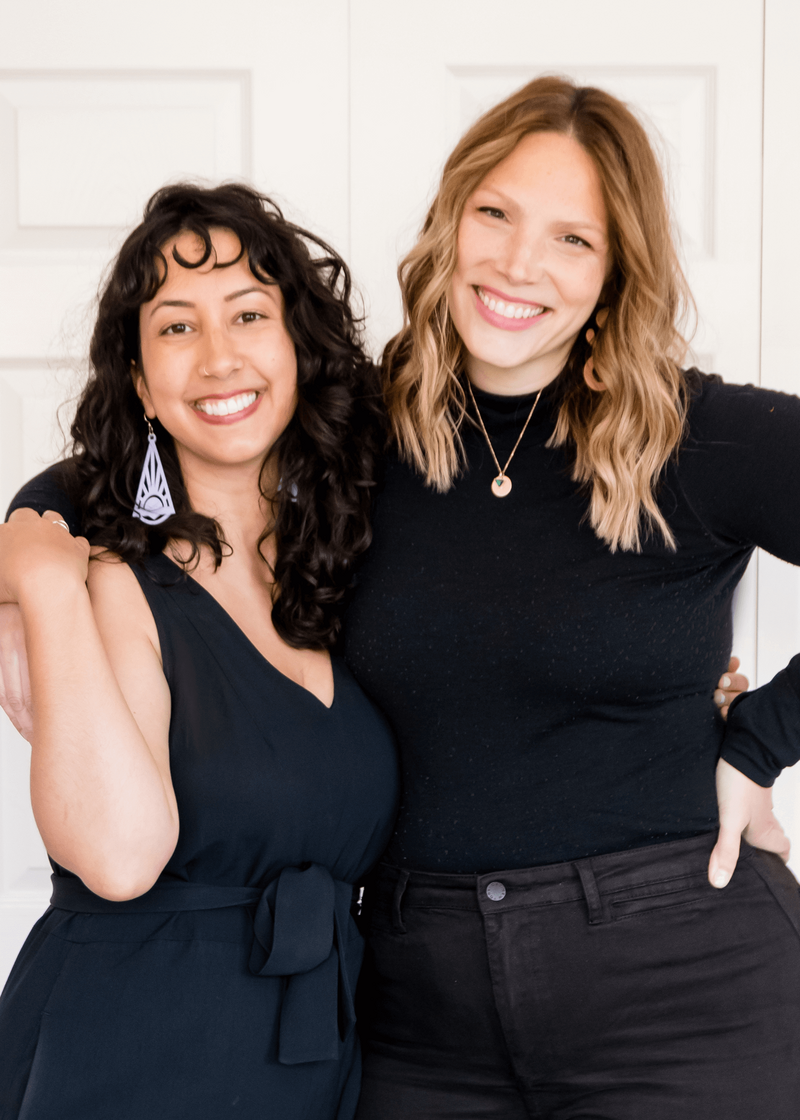
I’m Emily Marson, founder and Clinic Director of Aphrodite Fertility Acupuncture here in San Diego. Every week I sit with individuals and couples from Hillcrest, North Park, La Jolla, Encinitas, and beyond who arrive in my treatment room holding one big question:
“What does my fertility diagnosis actually mean—and is there anything I can do about it?”
Over the years, I’ve seen the same patterns over and over again. The names of the diagnoses sound technical and intimidating, but once we translate them into plain language, people feel more empowered and less afraid.
This article is my way of walking you through the most common fertility diagnoses I see in San Diego in 2025, and sharing how I use reproductive wellness fertility acupuncture to support you at each step.
How Fertility Is Changing in 2025
Big-picture fertility trends in 2025
Recent data show that:
- PCOS affects about 5–10% of women of reproductive age and is one of the leading causes of ovulatory infertility. Cofertility+1
- Around 30% of couples presenting for fertility care have an ovulatory factor involved. Cofertility+1
- Male factor infertility contributes to roughly 30–50% of infertility cases, either on its own or in combination with other factors. California IVF Fertility Center+1
Age, metabolic health, and stress continue to play major roles in who struggles to conceive and why. NICHD+1
What this looks like in San Diego
Here in San Diego, I see those same patterns—just in a very local context:
- Women working demanding jobs in biotech, healthcare, tech, and education who delayed trying to conceive into their mid-30s and 40s
- Couples commuting between areas like North County, Mission Valley, and Downtown, juggling long days and limited recovery time
- Highly active San Diegans who are doing “all the right things” but still end up with diagnoses like unexplained infertility or diminished ovarian reserve
My clinic sits in the middle of all of this, serving as a calm, grounded space where we translate the diagnosis and build a plan that fits real life in San Diego.
The Most Common Fertility Diagnoses I See in San Diego
Below are the diagnoses I see most often—and how I think about them when we’re planning acupuncture fertility care.
1. Ovulation Disorders and Polycystic Ovary Syndrome (PCOS)
PCOS is one of the most common causes of infertility worldwide and in the U.S. Cofertility+2PMC+2
If you’ve been told you have PCOS, you may recognize:
- Irregular or absent periods
- Long cycles where you’re not sure if you’re ovulating
- Acne, hair growth on the chin or abdomen, or hair thinning on the scalp
- Blood sugar or insulin resistance issues
From a fertility standpoint, PCOS is often about inconsistent ovulation. If ovulation isn’t clear or reliable, timing intercourse, IUI, or IVF becomes difficult.
How I support PCOS with acupuncture
With PCOS, my goals often include:
- Regulating menstrual cycles and supporting ovulation
- Improving insulin sensitivity alongside your medical plan
- Calming the nervous system to reduce the chronic stress that often worsens symptoms
A typical plan might include weekly sessions for several months, with adjustments based on your cycle data, lab work, and how you feel.

2. Diminished Ovarian Reserve and Age-Related Subfertility
By 2025, it’s no secret that more people are trying to conceive later in life. National data confirm that egg quantity and quality decline with age, with an associated rise in chromosomal abnormalities and miscarriage risk.
You may hear terms like:
- “Diminished ovarian reserve”
- “Low AMH”
- “High FSH”
- “Age-related infertility”
When I sit with someone in her late 30s or early 40s, we’re often talking about how to make the most of the eggs she has, especially if she’s considering or already moving into IVF.
How I support diminished ovarian reserve
Acupuncture cannot create more eggs, but it can support:
- Blood flow to the ovaries and uterus
- Stress regulation throughout IVF stimulation and retrieval
- Sleep, digestion, and overall resilience during what is often an emotional process
We may also layer in diet and lifestyle recommendations to support mitochondrial and metabolic health, in coordination with your medical team.
3. Endometriosis and Pelvic Pain
Endometriosis is another common diagnosis, and research continues to explore its complex relationship with infertility and miscarriage.
You might experience:
- Painful periods
- Pain with intercourse
- Bloating, GI symptoms, or chronic pelvic discomfort
- Fertility challenges even with regular cycles
How I support endometriosis with acupuncture
With endometriosis, my goals typically include:
- Reducing pain and inflammation
- Supporting circulation in the pelvis
- Helping regulate the immune response and stress axis
- Creating the most receptive uterine environment possible during IUI or IVF
Many of my endometriosis patients tell me that their cycles become more manageable and their quality of life improves even before we talk about specific fertility procedures.
4. Unexplained Infertility
Unexplained infertility is one of the most emotionally challenging diagnoses I see.
It usually means:
- You’ve completed standard fertility testing
- Everything “looks fine” on paper
- You’ve still been trying to conceive for 12+ months (or 6+ months if you’re over 35) without success
In other words: there’s clearly a problem, but we don’t know exactly where it is yet.
How I support unexplained infertility
With unexplained cases, acupuncture is often focused on:
- Optimizing circulation and hormonal rhythms
- Supporting both partners’ overall health, not just the person who ovulates
- Reducing stress, anxiety, and sleep disruption (all of which impact reproductive hormones)
I think of this as “stacking the deck” in your favor: doing everything we can to support your body’s natural fertility while you explore or continue medical options.
5. Male Factor Infertility
Male factor is present in a large percentage of fertility cases and can involve:
Because the focus so often falls on the person who ovulates, male factor is sometimes discovered late in the process.
How I support male factor with acupuncture
For male partners, we focus on:
- Improving overall circulation and reducing oxidative stress
- Supporting stress management, sleep, and metabolic health
- Working alongside urologists or reproductive endocrinologists
Sperm take about 70–90 days to mature, so we typically plan at least 3 months of consistent care when targeting sperm parameters.
6. Recurrent Pregnancy Loss
Recurrent loss is heartbreaking—and more common than many people realize. Some studies suggest that about 1–2% of couples experience recurrent miscarriage.
Medical evaluation may look at:
- Structural issues in the uterus
- Chromosomal factors
- Hormonal, clotting, or autoimmune issues
How I support recurrent loss
Acupuncture can’t change chromosomal issues in an already-formed embryo, but it can:
- Support circulation to the uterine lining
- Help regulate immune and inflammatory responses
- Offer a steady, compassionate space for grief and nervous system support
In my clinic, recurrent loss patients often tell me they feel less alone and more grounded as they move forward with next steps.
7. Thyroid, Metabolic, and Autoimmune Factors
Thyroid imbalance, insulin resistance, and autoimmune conditions can all affect fertility.
With these diagnoses, I frequently work alongside endocrinologists, functional medicine providers, and fertility specialists.
How I support these conditions with acupuncture
Common goals include:
- Supporting regulation of the HPA axis (our stress hormone system)
- Addressing anxiety, fatigue, and sleep disturbance
- Supporting digestion and metabolism
Think of acupuncture here as a way to improve how your body responds to these conditions and their treatments.
How Acupuncture Supports These Fertility Diagnoses
Acupuncture is not a magic wand, but in 2025 we know more than ever about how it may help.
Regulating hormones and supporting ovulation
Studies suggest that acupuncture can influence the hypothalamic–pituitary–ovarian axis, the nervous system network that helps regulate:
- FSH and LH
- Estrogen and progesterone
- Stress hormones like cortisol
For PCOS and ovulatory disorders, this can translate into more regular cycles and clearer ovulation patterns when combined with medical care.
Improving blood flow to the ovaries and uterus
Improved pelvic blood flow is one mechanism proposed to explain why acupuncture may benefit IVF outcomes in some studies.
Better blood flow means better delivery of:
- Oxygen
- Nutrients
- Hormones
to the ovaries and uterine lining.
Calming the nervous system and reducing stress
Multiple studies show that acupuncture can reduce anxiety and perceived stress, especially in the context of IVF cycles.
In my clinic, I see this every day: heart rates slow, breathing deepens, and shoulders finally relax. Over time, this calmer state supports more stable hormones and better sleep—both crucial for fertility.
Supporting egg and sperm quality over time
Evidence about direct effects on egg and sperm quality is still evolving, but we do know that:
- Chronic stress and inflammation negatively affect reproductive cells
- Better circulation, sleep, and metabolic health support healthier eggs and sperm
This is where consistent reproductive wellness and fertility acupuncture can become part of a long-term strategy.
Acupuncture and IVF in 2025: What the Research Shows
What recent studies suggest
Research on acupuncture and IVF has had mixed results over the years:
- Some recent meta-analyses and randomized trials suggest that acupuncture may improve clinical pregnancy and live birth rates in certain IVF protocols.
- Other high-quality trials have shown little or no difference compared to sham acupuncture when performed only at embryo transfer.
One trend I pay attention to is that whole-systems acupuncture (regular treatment before and throughout the cycle) seems more promising than a single “one-off” session on transfer day.
How I integrate acupuncture into IVF and IUI cycles
In my San Diego clinic, I coordinate closely with your IVF or IUI schedule. A typical acupuncture San Diego fertility plan for IVF might include:
- Weekly sessions during the 2–3 months leading up to your cycle
- 1–2 sessions per week during stimulation
- Sessions close to retrieval and transfer (timing tailored to your clinic’s protocol)
- Follow-up support in the “two-week wait” and early pregnancy
The goal is not to “replace” medical treatment, but to help your body respond to the medical plan as smoothly as possible.
A Typical Fertility Acupuncture Plan in My San Diego Clinic
Preconception and “foundation building” phase
For people planning to start trying or preparing for IUI/IVF in a few months, we often:
- Map out your cycle in detail
- Review labs and key findings from your fertility team
- Create a weekly acupuncture plan focused on circulation, hormone support, and stress regulation
This is where we might also talk about related services like labor induction acupuncture San Diego for later in pregnancy, or how to plan ahead so you have continuity of care from preconception through birth.
During IUI or IVF stimulation and transfer
During active treatment, we often increase session frequency, especially if you’re feeling:
- Overwhelmed by injections and appointments
- Physically uncomfortable from stimulation
- Anxious about every lab result and scan
The table is where you get to exhale. Many patients tell me, “This is the only hour this week where I’m not thinking about numbers.”
After a positive pregnancy test
Once you see those long-awaited two lines, we often shift the focus to:
- Supporting early pregnancy symptoms
- Calming fears after previous losses
- Helping you rest and replenish as your body adjusts
For some, care continues into the second and third trimesters, including labor acupuncture near me searches that bring new patients in for birth preparation and nervous system support.

Real-Life Stories from My San Diego Practice
(Details changed for privacy, but the patterns are very real.)
A PCOS case: rebuilding trust with your body
One of my patients from Mission Hills came to me after being told she had PCOS and “might not be able to conceive without help.” Her cycles were irregular, and she felt disconnected from her body.
Over six months of regular acupuncture, cycle tracking, and collaboration with her OB-GYN, her periods became more predictable. She started to recognize signs of ovulation for the first time. When she did begin an IUI process, she felt more confident and less afraid because she understood what her body was doing.
An “unexplained infertility” case where stress was a big missing piece
Another patient from La Jolla had three years of unexplained infertility and a stack of normal test results. On paper, everything looked perfect. In reality, she was sleeping five hours a night and running on adrenaline.
We used acupuncture to help her nervous system downshift, improve her sleep, and ease the constant “fight-or-flight” feeling. She moved forward with IVF, and while I’ll never claim acupuncture “caused” the eventual pregnancy, she was able to go through the process with a calmer body and mind—which mattered deeply to her.
Why Local Context Matters: Living and Trying to Conceive in San Diego
Trying to conceive in San Diego has its own flavor:
- Long commutes between places like Carlsbad, Sorrento Valley, and Downtown
- High-pressure careers in biotech, medicine, and academia
- A culture of “doing everything”—Pilates, clean eating, career goals, and fertility all at once
Our coastal climate is a blessing, but stress, time pressure, and sometimes even excessive exercise can still work against fertility.
When I design an acupuncture treatment plan in San Diego, I’m always thinking about the realities of your schedule—where you live, where your clinic is, and how we can make support feel doable, not like another item on your to-do list.
When to Consider Fertility Acupuncture (and When to See a Fertility Specialist First)
You might consider starting fertility-focused acupuncture if:
- You’ve been trying to conceive for several months and want to support your body
- You’ve just been given a diagnosis like PCOS, endometriosis, or diminished ovarian reserve
- You’re preparing for IUI or IVF and want to feel more supported physically and emotionally
You should see a reproductive endocrinologist or OB-GYN urgently if:
- You’ve been trying for 12 months under 35, or 6 months over 35
- You have very painful periods, extremely heavy bleeding, or cycles shorter than 21 days or longer than 45 days
- You’ve had two or more miscarriages
- You or your partner have a known medical condition that affects fertility
Once that medical care is in place, acupuncture can become one of the pillars of your overall support system.
How to Choose a Fertility Acupuncturist in San Diego
If you’re searching online for labor induction, labor acupuncture near me, or fertility acupuncturists, you’ll see plenty of options. Here are a few questions I encourage you to ask:
- Do they specialize in fertility and reproductive medicine, or is it a small part of their practice?
- Are they comfortable collaborating with IVF clinics and OB-GYNs?
- Do they take time to review your labs, imaging, and diagnosis, or do they offer a generic protocol?
- Do you feel seen, heard, and safe in their care?
Look for someone whose training, experience, and communication style help you feel calmer and more confident—not more stressed and confused.
FAQs
1. What are the most common fertility diagnoses you see in San Diego in 2025?
The most common diagnoses I see include PCOS and other ovulation disorders, diminished ovarian reserve and age-related subfertility, endometriosis, unexplained infertility, male factor infertility, recurrent pregnancy loss, and thyroid or metabolic issues that affect hormone balance.
2. Can acupuncture help if I already have a fertility specialist or I’m doing IVF?
Yes. I regularly work with patients who are in IUI or IVF cycles. Acupuncture is used to support circulation, stress regulation, sleep, and overall resilience while your medical team focuses on medications, procedures, and diagnostics. We coordinate timing with your clinic’s protocol.
3. How long should I do fertility acupuncture before trying to conceive or starting IVF?
Ideally, I like to see patients 2–3 months before they actively try to conceive or begin an IUI/IVF cycle. That gives us time to support egg and sperm development, regulate cycles, and build a strong foundation. However, it’s never “too late” to start—even mid-cycle support can be helpful.
4. Is fertility acupuncture safe if I have PCOS, endometriosis, or autoimmune conditions?
For most people, yes. Fertility-focused acupuncture is generally very gentle and can be adapted to complex medical histories. I always review your diagnosis, medications, and labs first and, when needed, coordinate with your physician to ensure we’re working safely and collaboratively.
5. How do I get started with Aphrodite Fertility Acupuncture in San Diego?
Getting started is simple. Text us at 858.333.7688 or fill out the contact form on our website. We’ll review your situation, answer initial questions, and schedule a time to meet. We respond Monday to Friday, 7 AM to 8 PM, and Saturday, 9 AM to 2 PM.
Calm, Informed, and Supported on Your Fertility Path
A fertility diagnosis can feel like a full stop. In reality, it’s often the beginning of a more focused, supported chapter of your journey.
In 2025, we have more information than ever about common diagnoses like PCOS, endometriosis, diminished ovarian reserve, male factor infertility, and recurrent loss. We also know more about how acupuncture may help regulate hormones, support circulation, and calm the nervous system in a way that complements modern fertility care.
You don’t have to choose between science and holistic support. At Aphrodite Fertility Acupuncture, I bring those worlds together for people all over San Diego—from Point Loma and Mission Hills to North Park and Encinitas—so you feel both informed and held.
Ready to Take the Next Step with Aphrodite Fertility Acupuncture?
Calm, informed, and supported—that’s how I want you to feel as you move forward.
Whether you’ve just received a new fertility diagnosis or you’ve been in treatment for years, acupuncture can offer a grounded, evidence-informed way to support your body, your nervous system, and your hope.
At Aphrodite Fertility Acupuncture in San Diego, I focus specifically on San Diego fertility acupuncture
and reproductive wellness, working alongside your OB-GYN or fertility clinic so you’re never navigating this process alone.

Ready to take the next step on your fertility journey with expert, compassionate support?
Text us at 858.333.7688 or fill out the contact form on our website.
We respond Monday to Friday, 7 AM to 8 PM, and Saturday, 9 AM to 2 PM.



+ show Comments
- Hide Comments
add a comment