

By Emily Marson, L.Ac. | Aphrodite Fertility Acupuncture, San Diego
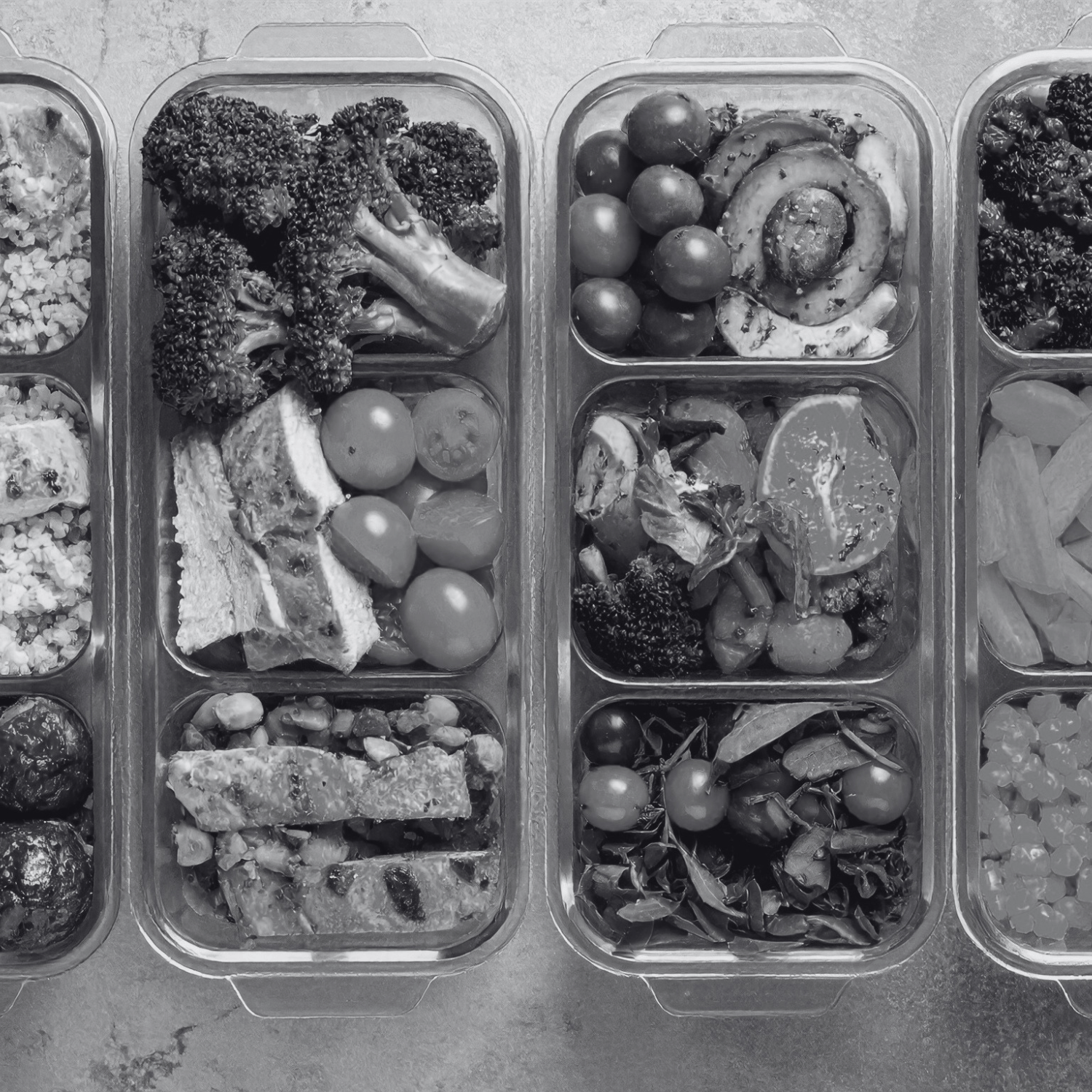
The best diet for fertility is an anti-inflammatory, whole-food pattern, often called a “Mediterranean-style” fertility diet: plenty of vegetables and healthy fats, quality protein, whole grains, oily fish, and minimal ultra-processed food, sugar, and alcohol. This way of eating supports egg quality, balances blood sugar and hormones, and lowers the inflammation that quietly interferes with conception. Because eggs take about 90 days to mature, what you eat over the next three months is shaping the eggs you’ll use later.
There’s no single “fertility superfood,” and we’ll never hand you a rigid, fear-based meal plan. The goal is a sustainable pattern that nourishes the systems behind your cycle.
Why diet affects egg quality
Egg quality is driven largely by mitochondrial function, the energy engines inside each egg, and by inflammation and blood-sugar balance. Diets high in refined sugar and ultra-processed food spike insulin and inflammation, which can impair egg quality and disrupt ovulation. A nutrient-dense, anti-inflammatory diet does the opposite: it supplies the antioxidants and building blocks eggs need during that 90-day maturation window.
What to eat for fertility
- Colorful vegetables and fruit, antioxidants that protect eggs (leafy greens, berries, cruciferous veg).
- Healthy fats, extra-virgin olive oil, avocado, nuts and seeds; omega-3s from wild salmon, sardines, walnuts, flax.
- Quality protein, eggs, fish, poultry, legumes; organ meats like liver are especially nutrient-dense.
- Whole, slow carbohydrates, whole grains, legumes, and starchy vegetables that keep blood sugar steady.
- Full-fat dairy in moderation, some research links it to better ovulatory function than low-fat dairy.
- Plenty of water and fiber to support hormone metabolism and gut health.
What to limit
- Refined sugar and ultra-processed foods, the biggest drivers of inflammation and blood-sugar swings.
- Alcohol, directly toxic to mitochondria; best minimized or avoided while trying to conceive.
- Trans fats and heavily processed seed-oil-fried foods.
- Excess caffeine, moderate intake is generally fine; very high intake is best reduced.
Special situations
PCOS (now PMOS)
For patients with PCOS, recently renamed polyendocrine metabolic ovarian syndrome (PMOS), blood-sugar balance is the priority. Pairing protein, fat, and fiber with carbohydrates, and emphasizing a lower-glycemic pattern, helps improve insulin sensitivity and ovulation.
Low AMH / diminished ovarian reserve
Lean into antioxidant density and mitochondrial support: berries, leafy greens, oily fish, and organ meats, with alcohol off the table. We pair this with a targeted supplement protocol.
Endometriosis
An anti-inflammatory focus matters most, omega-3s, abundant vegetables, fiber to support estrogen metabolism, and limiting sugar and alcohol.
How we use nutrition at Aphrodite
We build personalized nutrition guidance alongside acupuncture and the right supplements for your diagnosis, because food, circulation, and hormones all work together. The diet isn’t a punishment; it’s one of the most powerful, in-your-control levers for egg quality.
Frequently asked questions
What is the best diet for fertility and egg quality?
An anti-inflammatory, Mediterranean-style whole-food diet, lots of vegetables and healthy fats, quality protein, whole grains, and oily fish, with minimal sugar, ultra-processed food, and alcohol. It supports egg quality, hormone balance, and steady blood sugar.
How long before trying to conceive should I change my diet?
At least three months. Eggs take about 90 days to mature, so dietary changes need that window to influence egg quality. Sooner is better.
What foods should I avoid when trying to get pregnant?
Refined sugar, ultra-processed foods, trans fats, and alcohol are the main ones to limit, since they drive inflammation and blood-sugar swings that can affect egg quality and ovulation.
What’s the best diet for PCOS/PMOS and fertility?
A lower-glycemic, blood-sugar-balancing pattern, pairing protein, healthy fat, and fiber with carbohydrates, best supports insulin sensitivity and ovulation in PCOS (now PMOS).
Do I need supplements too, or is diet enough?
Diet is the foundation, but targeted supplements (like CoQ10, vitamin D, and omega-3s) fill gaps and add mitochondrial support. We build both together based on your labs.
Ready to find your answers?
We’ll build a realistic, personalized nutrition and fertility plan with you, not a generic meal plan. We work with the most complex fertility cases in San Diego.
Book at aphroditefertility.com | Or text us: 858.333.7688
Explore our supplement protocols or read our fertility acupuncture FAQs.
About the author, Emily Marson, L.Ac.
Emily is the founder of Aphrodite Fertility Acupuncture in San Diego, California. She specializes in complex reproductive cases, combining advanced fertility acupuncture with mitochondrial health protocols, precision nutrition, and a deep knowledge of both Eastern and Western reproductive medicine. Located at 2970 Fifth Ave, Suite 320, San Diego, CA 92103.




+ show Comments
- Hide Comments
add a comment