

By Emily Marson, L.Ac. | Aphrodite Fertility Acupuncture, San Diego
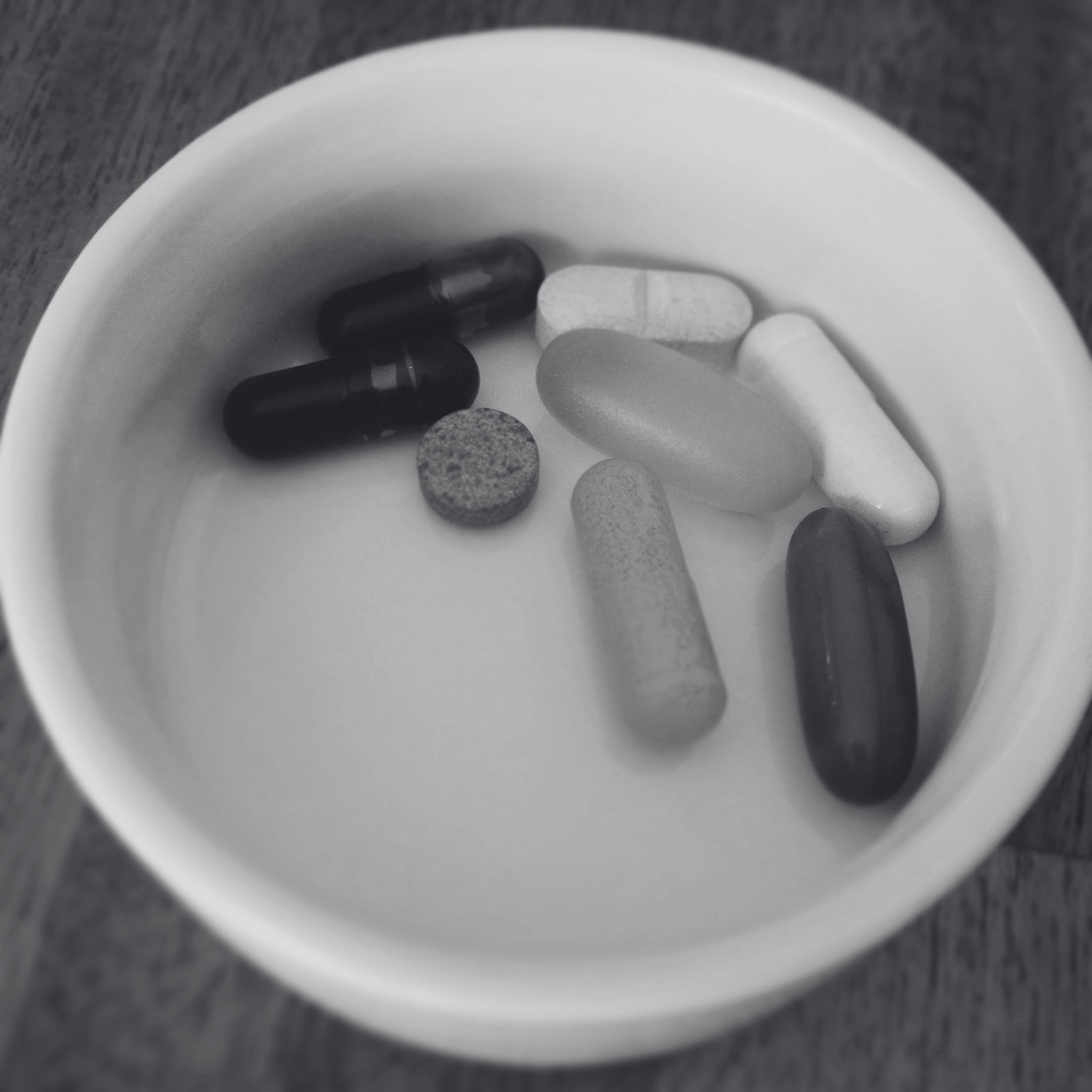
The most evidence-supported supplements for egg quality are CoQ10 (ubiquinol), vitamin D, omega-3 fatty acids, a quality prenatal with methylfolate, and, for the right patients, myo-inositol and melatonin. These work primarily by supporting the mitochondria inside each egg, lowering inflammation, and balancing the hormones that govern ovulation. But the right protocol depends on your labs, your age, and your diagnosis.
Below is how we think about fertility supplements at Aphrodite. Consider it educational, not a prescription: always confirm doses with your acupuncturist and your doctor before starting, especially if you’re doing IVF or taking medication.
Why egg quality comes down to mitochondria
Egg quality is determined largely by mitochondrial function, the tiny power plants inside each egg. An egg with healthy, abundant mitochondria has the cellular energy to fertilize, divide normally, and develop into a viable embryo. Most supplements that matter for egg quality work by protecting and powering those mitochondria during the ~90-day window an egg takes to mature. That’s why timing matters: start at least three months before conception or retrieval.
The core supplements for egg quality
CoQ10 (ubiquinol)
The most researched supplement for egg quality. CoQ10 fuels mitochondrial energy production and acts as an antioxidant. Many fertility protocols use 200 to 600 mg of ubiquinol daily, with higher doses sometimes used for diminished ovarian reserve under supervision.
Vitamin D
Low vitamin D is common and linked to poorer fertility and IVF outcomes. We test levels and supplement to an optimal range rather than guessing.
Omega-3 fatty acids (EPA/DHA)
Anti-inflammatory and supportive of egg membrane health and uterine blood flow. Best from a clean, tested fish oil or algae source.
A quality prenatal with methylfolate
Foundational. Look for active methylfolate (not synthetic folic acid) plus the core methylated B vitamins. Start before conception, not after a positive test.
Melatonin
A potent antioxidant that specifically protects the egg during maturation. Often used in low doses at night for egg-quality support before IVF, best used under guidance.
Targeted supplements for specific situations
Myo-inositol (for PCOS/PMOS)
For patients with PCOS, now formally renamed polyendocrine metabolic ovarian syndrome (PMOS), myo-inositol and D-chiro-inositol in a 40:1 ratio have strong evidence for improving insulin sensitivity, lowering androgens, and restoring ovulation.
Mitochondrial support for low AMH / diminished ovarian reserve
For DOR patients we often intensify mitochondrial support, higher-dose CoQ10, plus options like NAD+ precursors and PQQ, as part of a closely supervised protocol.
DHEA, caution
DHEA can help some diminished-reserve patients but is not appropriate for everyone, particularly those with PCOS/PMOS or elevated androgens. Only take it under clinical supervision and with your RE’s knowledge.
A word of caution on supplements
More is not better. Megadosing, random stacks from the internet, and unmonitored hormonal supplements like DHEA can interfere with your cycle or your IVF medications. Supplement quality varies enormously, and the right protocol for low AMH is different from the right protocol for PCOS/PMOS. We build personalized, science-backed protocols based on your labs and history.
This article is educational and not medical advice. Talk with your acupuncturist and physician before starting any supplement, especially during fertility treatment or pregnancy.
Frequently asked questions
What is the best supplement for egg quality?
CoQ10 (ubiquinol) has the strongest evidence for supporting egg quality, because it powers the mitochondria inside the egg. It works best alongside vitamin D, omega-3s, and a methylfolate prenatal, started at least three months before conception or IVF.
How long do I need to take supplements before they improve egg quality?
About three months. Eggs take roughly 90 days to mature, so supplements need that window to influence quality.
Which supplements are best for PCOS/PMOS and fertility?
Myo-inositol with D-chiro-inositol (40:1), plus vitamin D and often magnesium, have the best evidence for improving ovulation and insulin sensitivity in PCOS/PMOS.
Can supplements improve low AMH?
Supplements can’t create more eggs, but mitochondrial-support protocols aim to improve the quality of the eggs you have. This should be supervised.
Is DHEA safe to take for fertility?
Only under supervision. DHEA may help some diminished-reserve patients but can worsen PCOS/PMOS and androgen-related conditions.
Ready to find your answers?
We’ll build a supplement and fertility plan tailored to your labs and your body, not a generic stack. We work with the most complex fertility cases in San Diego.
Book at aphroditefertility.com | Or text us: 858.333.7688
Explore our supplement and herb protocols or read about low AMH and egg quality.
About the author, Emily Marson, L.Ac.
Emily is the founder of Aphrodite Fertility Acupuncture in San Diego, California. She specializes in complex reproductive cases, combining advanced fertility acupuncture with mitochondrial health protocols, precision nutrition, and a deep knowledge of both Eastern and Western reproductive medicine. Located at 2970 5th Ave, Suite 320, San Diego, CA 92103.




+ show Comments
- Hide Comments
add a comment