

Endometriosis is one of the most common conditions you will see in a fertility acupuncture practice, affecting roughly 1 in 10 reproductive-age women. It accounts for a significant portion of unexplained infertility and recurrent pregnancy loss, and it is far more nuanced than most practitioners realize going in.
Here is what you need to know to treat it well.
Why Endo Affects Fertility
Endo is not just a structural problem. It is a systemic, immune-mediated inflammatory condition. The key fertility mechanisms to understand:
- Inflammatory pelvic environment that is toxic to sperm and disrupts embryo development
- Endometriomas that damage the follicle pool and reduce ovarian reserve over time
- Adhesions that distort tubal and ovarian anatomy (most common in Stage III to IV)
- Progesterone resistance that impairs uterine receptivity and the luteal phase
- Immune dysregulation that can interfere with sperm, fertilization, and implantation
Important clinical note: stage does not reliably predict fertility outcome. Stage I to II endo can impair fertility just as significantly as advanced disease through inflammation alone.
TCM Pattern Differentiation
Blood Stasis is the core TCM pattern in virtually every endo patient. Your job is to identify what is driving it:
| Pattern | Key Signs |
|---|---|
| Blood Stasis (core) | Stabbing pain, dark clots, purple tongue, choppy pulse |
| Blood Stasis with Cold | Pain relieved by heat, cold limbs, white coating; use moxa |
| Blood Stasis with Damp-Phlegm | Heavy sensation, slippery pulse; common with endometriomas |
| Blood Stasis with Liver Qi Stagnation | Frustration, PMS, breast tenderness; Liver is often the root |
| Blood Stasis with Kidney Deficiency | DOR concurrent with endo, low back ache, fatigue, thin pulse |
Phase-Based Acupuncture Protocol
Treat across the full cycle. We see the best outcomes when we are touching every hormonal shift:
- Menstrual: Move Blood, reduce pain. SP-10, SP-8, LV-3, SP-6, Ren-3, Zigong
- Follicular: Nourish Blood and Yin, address root pattern. SP-6, ST-36, KD-3, Ren-4, LV-8
- Periovulatory: Move Qi and Blood, support ovulation. LV-3, GB-34, SP-6, ST-36, Ren-6
- Luteal: Support progesterone, calm immune reactivity. SP-6, ST-36, KD-3, Ren-4, HT-7
Consider electroacupuncture at SP-6 and ST-36 to support blood flow and endometrial quality.
Moxibustion for Endo: A Underused Clinical Tool
Moxa on the lower abdomen is one of the most impactful interventions you can deploy for endo patients — and it is significantly underutilized in practice. This is not an optional add-on. For patients with Cold signs especially, it belongs in your core protocol.
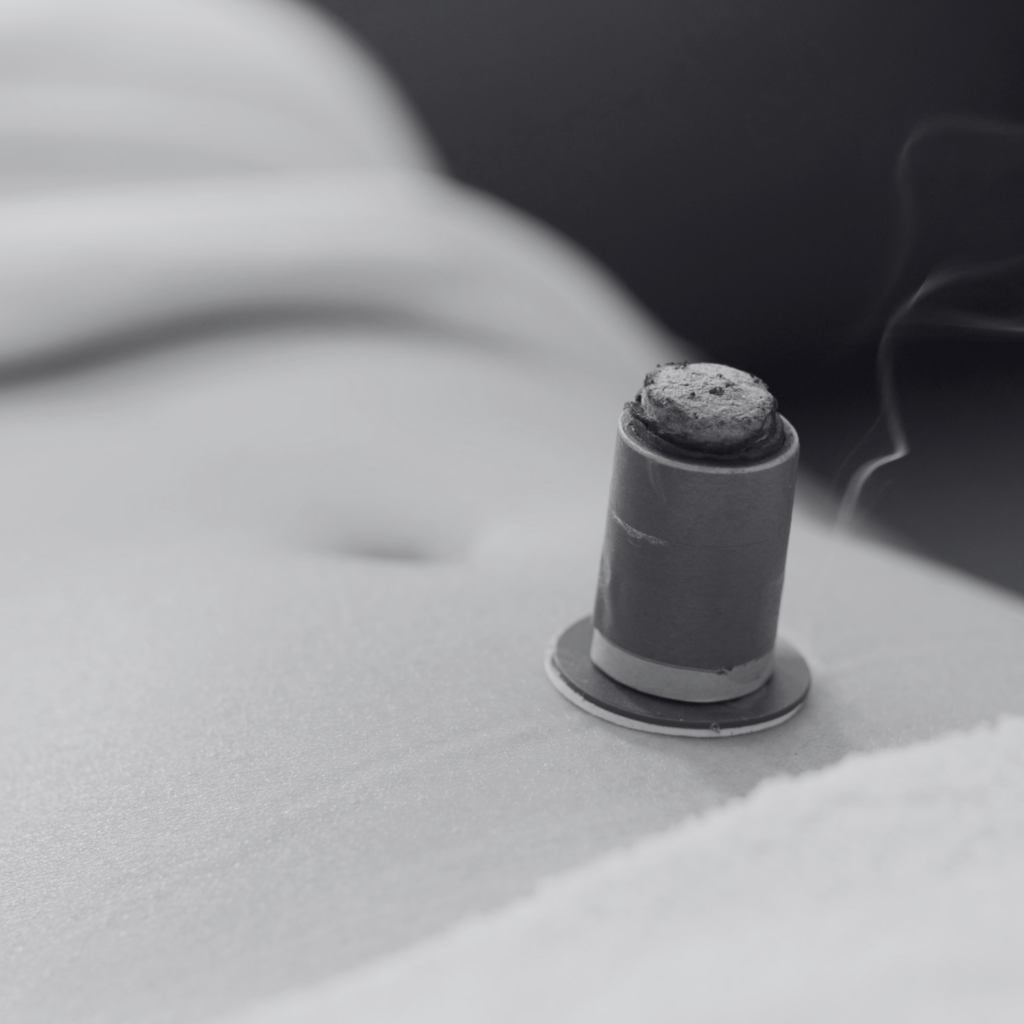
Primary points: CV4 (Guanyuan) and CV6 (Qihai). These are your workhorses for warming the uterus, moving stagnant Blood, and tonifying Kidney Yang — the three biggest TCM drivers of endo-related infertility.
Phase timing:
- Menstrual phase: Use moxa to reduce pain and move Blood. Particularly effective for patients with severe dysmenorrhea and cold-type presentation
- Follicular: Continue to warm the lower abdomen and support the building phase — especially when Cold pattern or Kidney Yang deficiency is prominent
- Luteal: This is where moxa does some of its most important work for endo patients. Sustained lower abdominal heat supports progesterone production, reduces inflammatory cytokine activity, and supports the immune-modulatory environment needed for implantation
Biomedical rationale to know:
- Moxa’s radiant heat may reduce pro-inflammatory cytokines (IL-6, TNF-α) that drive lesion growth and pelvic pain
- Improved local pelvic circulation supports endometrial thickness and receptivity — measurable in some studies via uterine artery resistance
- Stimulation of lower abdominal reflex zones associated with the HPO axis may help normalize FSH, LH, and estrogen signaling
- Evidence suggests acupuncture and moxa combined may influence NK cell activity and T-regulatory cell function — both of which are dysregulated in endo
What the research shows: Small RCTs and observational studies demonstrate reduced dysmenorrhea and improved pregnancy rates when moxa is combined with acupuncture. Methodological quality is still mixed and larger trials are needed — but clinically, consistent luteal-phase moxa is one of the variables we see making a real difference in endo patients who have been stuck.
Practical note: For patients doing home moxa between sessions, teach them to use a moxa stick or moxa box over CV4/CV6 for 10–15 minutes. Luteal phase only for actively TTC patients post-ovulation if there is any question about early pregnancy. Always screen for heat-type presentations before applying.
Related Post: Unlocking Fertility with the Ancient Art of Moxibustion
Supplement Protocol for Endo and TTC
Keep it targeted and clinically justified:
- Prenatal Pro (Designs for Health): 4 pills/day, foundational with methylated folate
- Ubiquinol (Protocol for Life Balance): 600 mg/day, egg quality support
- NAC (Pure Encapsulations): 600 mg/day, reduces oxidative stress and inflammation
- FemGuard + Balance (Designs for Health): 4 pills/day, DIM and I3C for estrogen metabolism
- Inflammatone (Designs for Health): 2 pills/day, systemic anti-inflammatory
- Vitamin D3: 5,000 IU/day if deficient
Discontinue DIM-containing products during IVF stimulation or hormone therapy.
Lifestyle Essentials
These are non-negotiable for your endo patients, and they are often where you have the most influence.
Start with food. Warm, cooked, anti-inflammatory meals are easier on digestion and less inflammatory than raw foods. Prioritize omega-3-rich fish and cruciferous vegetables, which support estrogen clearance through the liver. Alcohol needs to go. It is both an inflammatory driver and an estrogen disruptor, and it directly fuels endo activity.
Next, address the toxic load. Xenoestrogens from plastics, synthetic fragrances, and conventional personal care products feed endo growth. Help your patients make low-tox swaps gradually: BPA-free, fragrance-free, and organic where it counts most.
Castor oil packs are one of the most accessible and effective home tools for this population. Teach your patients to use them in the follicular phase only, not during menstruation and not post-ovulation if they are actively TTC. Queen of the Thrones is our go-to brand for quality and ease of use.
When to Refer
Know when to hand off and who to loop in:
- Endometriomas over 4 cm: Discuss surgery with REI first; weigh AMH impact carefully
- Stage III to IV with anatomical distortion: REI referral early; IVF is often the most efficient path
- Stage I to II, normal reserves: Acupuncture, lifestyle, and timed intercourse or IUI for 3 to 6 months is a reasonable start
- Endo with concurrent low AMH: Refer promptly. Time matters significantly for this group.
- Elevated BCL6 (ReceptivaDX): Watch for this in patients with failed transfers. The REI may recommend Depot Lupron before a frozen transfer to reduce uterine inflammation.
Endo patients are motivated, engaged, and they do their research. When you show up with this level of clinical clarity, you become an indispensable part of their care team.
Want to build this kind of fluency across every fertility diagnosis you see? That is exactly what AFAM is designed for.
[Enroll in AFAM] | Advanced Fertility Acupuncture Mentorship**
Related Post: From Generalist to Specialist: How to Start Your Fertility Acupuncture Journey


+ show Comments
- Hide Comments
add a comment